
Do you long for a closer, more intimate relationship with God in the rhythm of your ordinary days?
How Can I Develop A Deeper And More Intimate Relationship With God In My Daily Life?
You’re asking a rich, practical question that touches the heart of spiritual growth. The guidance below is meant to help you move steadily from intention into practice, with realistic steps, gentle rhythms, and spiritual disciplines you can adapt to your personality and season of life.
Start Where You Are — Honest Assessment
Before making a plan, it helps to honestly assess your current spiritual life. You need clarity about what’s already working, what’s missing, and where your energy realistically can go right now.
Ask yourself pointed questions about habits, spiritual practices, community, service, and barriers. Be gentle but truthful; this assessment shapes a growth plan that won’t collapse under unrealistic expectations.
Quick self-assessment checklist
Use this table to get a snapshot of your spiritual rhythms. Mark where you’re strong, where you’re inconsistent, and where you’re currently absent.
| Area | Strong | Inconsistent | Absent | Notes/Next Step |
|---|---|---|---|---|
| Daily prayer | ☐ | ☐ | ☐ | |
| Scripture reading | ☐ | ☐ | ☐ | |
| Regular worship | ☐ | ☐ | ☐ | |
| Sabbath/rest | ☐ | ☐ | ☐ | |
| Serving others | ☐ | ☐ | ☐ | |
| Confession/accountability | ☐ | ☐ | ☐ | |
| Solitude/silence | ☐ | ☐ | ☐ |
Use your notes to set one or two immediate, achievable goals for the next month.
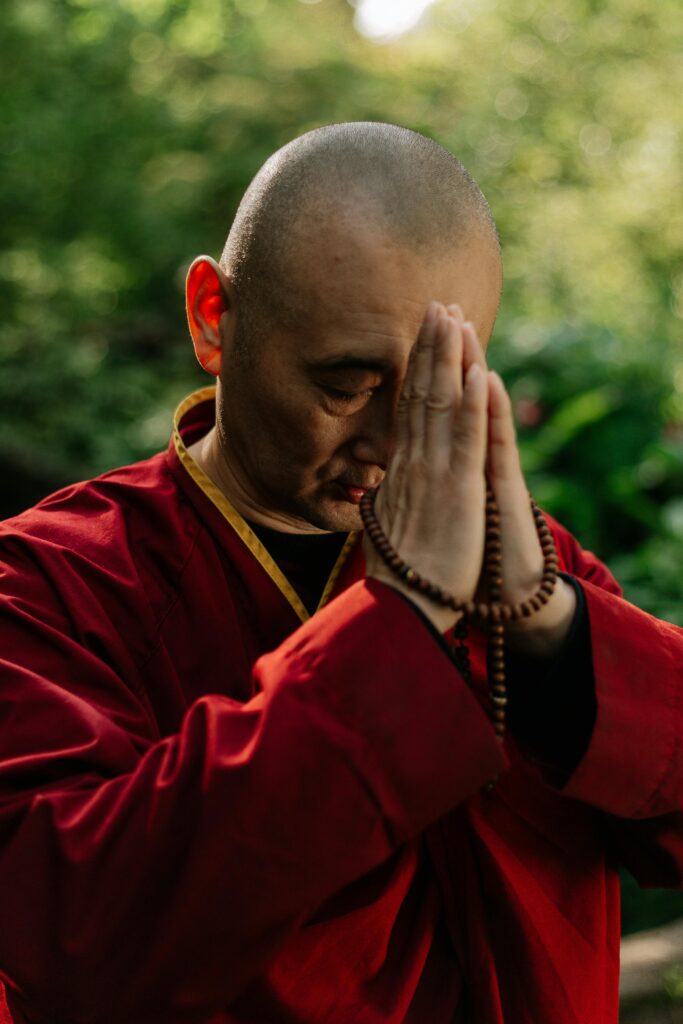
Build a Daily Rhythm
A deeper relationship with God grows out of regular rhythms more than occasional spikes of effort. Rhythm creates familiarity and the repeated opportunities for encounter.
A daily rhythm doesn’t have to be rigid; it can be a framework that orients your day toward presence, prayer, and attention to God’s activities in and around you.
Morning practices
How you start the day influences your spiritual posture for hours to come. A few simple practices in the morning can set your heart to notice God throughout the day.
Consider a brief pattern: quiet centering, a short Scripture reading, and a one-sentence prayer of surrender. The power is not in length but in consistent, focused attention.
Midday practices
The middle of the day is a helpful moment to re-tune your heart and mind. A short pause can keep you from running on autopilot and help you return to what matters.
You might take five to ten minutes to read a verse, breathe prayerfully, or offer gratitude for what God has done so far that day. These pauses keep your relationship with God dynamic rather than purely theoretical.
Evening practices
How you close the day shapes how you sleep and how you wake. Evening reflection grounds your experiences and invites God into your successes and failures.
End with a simple review: gratitude, confession, and one thing you learned about God or yourself. Write a short journal entry to give shape to your impressions and lessons.
Sample daily rhythm table
This table gives a sample daily rhythm you can adapt to your life. Make it shorter or longer depending on your season.
| Time | Practice | Duration | Purpose |
|---|---|---|---|
| Morning | Centering prayer + Scripture | 10–20 min | Start the day with God’s presence |
| Midday | Breath prayer/Scripture memory | 5–10 min | Re-center and sustain attention |
| Afternoon | Acts of service or kindness | Variable | Live out faith in action |
| Evening | Examen/journaling + prayer | 10–15 min | Reflection, confession, gratitude |
| Weekly | Worship + community gathering | 60–120 min | Replenish and join others in praise |
Deepen Prayer Life
Prayer is the heartbeat of intimacy with God; deepening prayer is both art and discipline. You’ll find that prayer matures as you practice different postures and listen as well as speak.
Don’t assume prayer is only asking for things. Prayer is also presence, listening, worship, confession, and conversation across many acts of the heart.
Types of prayer
Knowing a range of prayer types helps you engage God in varied ways. Each mode invites a different kind of attention and vulnerability.
- Adoration: Praising God for who He is, without asking for anything. It trains your heart to focus on God’s character.
- Confession: Naming sins and seeking forgiveness, which clears the way for intimacy and humility.
- Thanksgiving: Counting God’s blessings; gratitude transforms perspective and opens your heart.
- Supplication: Bringing needs and petitions before God, trusting His care and wisdom.
- Listening/prayerful silence: Allowing God to speak and you to receive—often the most neglected form.
Practical tips for sustained prayer
Sustaining a prayer life requires practices that keep you present and honest. Make prayer habitual by shaping a form you can return to consistently.
Try using a prayer journal to record requests and answers, use short breath prayers when you’re overwhelmed, create prayer lists for seasons, and consider setting a timer to train your attention. Use physical cues—lighting a candle, standing, walking—to enter prayer more deliberately.

Know God Through Scripture
Scripture is the primary way God speaks to you and forms your understanding of who He is. Regular, reflective interaction with the Bible shapes your mind, informs your prayers, and educates your heart.
Reading with an intention to listen and apply is more fruitful than treating Scripture like an information source only. Let Scripture interpret your life and let your life test your understanding.
Approaches to Scripture
Different reading methods help you engage scripture according to your needs—study, prayer, or transformation. Pick methods you can keep doing.
| Method | What it is | Best for |
|---|---|---|
| Inductive | Observing, interpreting, applying verses | Deeper study and understanding |
| Lectio Divina | Slow, prayerful reading and listening | Spiritual formation and attention |
| SOAP | Scripture, Observation, Application, Prayer | Practical daily devotion |
| Thematic study | Reading around a topic or doctrine | Application to life issues |
| Bible-in-a-year | Systematic reading | Broad biblical literacy |
How to make Scripture living
Memorization, meditation, and application make Scripture active in your life. The goal is to let God’s word shape your decisions, emotions, and actions.
Choose key verses to memorize and recite, meditate on a single verse for a week, and journal about how a passage applies to today’s decisions. Practice obedience to small commands first; the habit of obedience opens you to deeper transformation.
Worship and Sacraments
Worship connects you to God and to others. Sacraments or ordinances—like communion and baptism—tie your ordinary life to larger spiritual realities and the story of God.
Participation in both private and corporate worship gives you a shared language of faith and a regular situation where God’s presence is remembered and celebrated.
Corporate worship
Joining a worshiping community anchors you spiritually and provides mutual encouragement. Community worship is a place to be shaped by Scripture, prayer, and sacrament together.
Bring an open heart; don’t measure personal spirituality only by how moved you feel in a service. Community worship is formative over time.
Private worship
You can also create seasons of private worship—singing, journaling prayers, and celebrating sacraments in personal ways if your tradition allows. Private worship keeps your relationship personal and immediate.
Make a small, intentional space for worship at home: a playlist, responsive readings, and a ritual like lighting a candle can signal that this time is sacred.
Sacramental rhythm and Sabbath
Keeping a regular Sabbath and remembering sacraments help you reorient to God’s covenantal presence. Sabbath fosters rest, gratitude, and freedom from constant productivity.
Treat Sabbath as a gift and a practice: limit work, rest deeply, engage in restorative activities, and gather with others when possible.

Silence, Solitude, and Contemplation
Silence and solitude help you hear God in a culture full of noise and distraction. You develop inward attention when you practice being present without agenda.
Contemplation is not about achieving mystical states but about learning to rest in God’s presence; it cultivates trust and a deepened sense of companionship with God.
Practices for silence and solitude
Start small: five to ten minutes of quiet each day, then lengthen as you’re able. Solitude doesn’t always mean isolation—it’s about purposeful withdrawal to hear.
Walking in nature, turning off devices, and creating a short retreat at home can help. Try a weekly solitude period—an hour or half-day—to recharge spiritually.
Centering prayer and breath practice
Centering prayer uses a sacred word or breath to return your attention to God. It trains your mind to let go of distractions gently.
Breathe slowly, choose a short phrase (e.g., “Lord, have mercy”), and return to it whenever thoughts arise. Over time, silence becomes less threatening and more nourishing.
Confession and Repentance
Confession is essential because it clears barriers between you and God. Honest repentance restores intimacy and invites transformation by grace, not by performance.
Confession can be private, corporate, or shared in accountable relationships. It’s a practice of humility and freedom rather than shame.
Practical confession habits
Create a routine of daily brief confession and periodic deep confession. Naming small sins daily prevents them from growing into patterns that harden the heart.
If appropriate, find a trusted friend, pastor, or spiritual director for mutual confession and accountability. Celebrate forgiveness and change rather than only focusing on guilt.

Service and Love in Action
Intimacy with God is expressed in loving action toward others. Serving is a sacrament of sorts: through service you meet Jesus in the people you help.
Service educates your heart and keeps your spiritual life from becoming self-centered. It grounds theology in compassion and justice.
Practical ways to serve regularly
Make serving part of your rhythm: volunteer monthly, invite someone for a meal, or perform small daily acts of kindness. Choose service you can sustain rather than heroic but short-lived efforts.
Identify local needs that match your gifts and schedule. Serving close to home often has consistent, deep impact because it builds relationships.
Community and Spiritual Friendship
You don’t grow in deeper intimacy with God only as an individual; relationships with other believers shape your faith. Spiritual friends encourage, correct, and help you see God at work.
Community offers accountability, shared wisdom, and mutual prayer. Seek friendships where vulnerability and spiritual growth are safe and encouraged.
Forms of spiritual community
Community can take many shapes: small groups, mentorship, prayer partners, and church families. Pick one or two forms that fit your personality and commitments.
Join a small group for study and prayer, find a spiritual guide for deeper discernment, and meet regularly with a trusted friend for mutual prayer and conversation.
Spiritual direction
A spiritual director helps you notice God’s movements and patterns in your life. This relationship is about listening and discerning rather than giving advice.
Consider periodic spiritual direction if you want deeper, individualized guidance in prayer, ministry decisions, and inner transformation.

Fasting and Suffering
Fasting is a voluntary discipline that clears space to hear and follow God more closely. It also helps you depend on God and re-order appetites.
Suffering, while never desirable, can be a classroom for trust and reliance on God. How you respond in suffering shapes your intimacy with God; practices of lament and prayer sustain you through hardship.
Types of fasting and guidelines
Fasting can take many forms: food, media, speech, purchases, or activities. Choose a fast that’s safe and meaningful for you.
Set clear spiritual intentions, prepare your body, and have an accountability partner if it’s your first time. Remember that the goal is intimacy and clarity, not spiritual performance.
Spiritual Disciplines Toolbox
A toolbox of spiritual disciplines gives you options to use across seasons. Each discipline shapes character, attention, and responsiveness to God.
Rotate disciplines seasonally so you don’t burn out and so each practice has room to produce fruit. Balance action-focused disciplines (service, study) with receptive ones (silence, contemplation).
Discipline, purpose, and frequency table
Use this table as a quick reference to choose practices and understand their primary aims.
| Discipline | Purpose | Suggested frequency |
|---|---|---|
| Prayer (various forms) | Communion and conversation with God | Daily |
| Scripture reading | Hearing God’s word and forming mind | Daily |
| Journaling/Examen | Reflection and noticing God | Daily or weekly |
| Solitude/Silence | Listening and rest | Weekly or daily mini-sessions |
| Worship | Praise and corporate formation | Weekly |
| Fasting | Dependency and discernment | Periodic |
| Service | Love enacted and humility | Weekly or monthly |
| Confession/Accountability | Repentance and growth | Weekly or as needed |
| Spiritual reading | Formation through others’ insights | Weekly |
| Sabbath | Rest and reorientation | Weekly |
Overcoming Common Obstacles
You’ll face obstacles such as busyness, spiritual dryness, guilt, distraction, and cynicism. Naming these obstacles allows you to plan specific responses.
Spiritual growth is not a linear ascent; expect plateaus and regressions. Prepare strategies that keep you faithful even when you don’t feel growth.
Obstacles and responses table
This table pairs common obstacles with practical responses you can try immediately.
| Obstacle | Typical effect | Practical response |
|---|---|---|
| Busyness | Prayer and reading get squeezed out | Shorten practices and anchor to routines (e.g., 5-minute morning prayer) |
| Distraction | Difficulty concentrating in prayer | Use physical anchors (breath, sacred word); reduce devices |
| Guilt/shame | Avoiding God or hiding sin | Practice honest confession and celebrate grace |
| Dryness (lack of feeling) | Doubt or withdrawal from discipline | Keep practicing discipline by faith; seek spiritual companionship |
| Cynicism | Hard to trust claims of spiritual benefit | Read testimonies and the Bible; go slowly and test results |
| Perfectionism | Law-driven spirituality | Emphasize grace, small wins, and realistic goals |
Measuring Growth Without Legalism
It’s natural to want to measure progress, but metrics can become legalistic quickly. Look for signs of transformation rather than counting hours or tasks.
Fruit like love, patience, humility, and obedience indicates real growth. Use metrics as helpful feedback, not as an absolute scoreboard.
Meaningful signs of spiritual growth
Signs you’re growing include increasing love for others, humility, a habit of repentance, steadier hope in trials, and joy in worship. These signs are relational and internal, not merely activity-based.
When you notice harmful self-criticism or pride in your spiritual accomplishments, reframe measurement toward gratitude and learning.
Seasons of Growth and Waiting
Spiritual life moves in seasons—times of fervent growth, times of plateau, and times of waiting or desert experience. Recognizing seasons helps you practice patience and faithfulness.
In seasons of waiting, the faithful presence is what matters, not extraordinary experiences. Trust that God is forming you even when feelings are absent.
What to do in spiritual night
Lower expectations for sensational experiences and double down on simple, faithful practices. Seek companionship, keep your confession honest, and remain tender with yourself.
Use this time to learn endurance and to refine the motives behind your practices. Often the most significant growth happens quietly.
Personalizing Your Path
There is no single right way to grow closer to God; your personality, context, and calling matter. Design practices that engage your strengths and address your weaknesses.
Personalization increases the likelihood that you’ll stick with practices long enough to see transformation. Start with a few commitments and expand as they become integrated.
How to create a 12-week plan
A 12-week plan gives you time to establish habits and evaluate progress. Choose two or three core practices and commit to them with clear, measurable steps.
| Week Range | Focus | Daily practice | Weekly practice |
|---|---|---|---|
| Weeks 1–4 | Establish foundation | 10 min morning prayer + 5 min Scripture | Weekend worship + 15 min journaling |
| Weeks 5–8 | Add depth | Continue morning + 10 min evening examen | 1 hour solitude + service opportunity |
| Weeks 9–12 | Integrate & evaluate | Maintain habits + memorization | Meet with mentor to review and adjust |
At the end of 12 weeks, review what worked and what didn’t, then set the next cycle’s goals.
Resources and Next Steps
You don’t need to invent a path alone. Books, podcasts, apps, spiritual directors, and community groups can provide structure and encouragement. Choose a few reliable resources that align with your tradition and values.
Start by choosing one small habit to practice this week—maybe five minutes of morning prayer or a short Scripture reading—and commit to it for seven days. Small consistency compounds into deep intimacy over months and years.
Practical Example: A Starter Week for You
This example outlines one reachable week to jumpstart a deeper relationship with God. It balances prayer, Scripture, silence, service, and community.
- Monday: 10 minutes of centering prayer + one Psalm; two acts of kindness during the day.
- Tuesday: Morning Scripture (10 minutes) + memorize one verse; lunch-time breath prayer.
- Wednesday: Midweek worship or small group (online or in-person); evening examen.
- Thursday: Service — volunteer or help a neighbor; short gratitude journal.
- Friday: Fasting from a meal or a non-essential activity; extra silence time.
- Saturday: Extended solitude (hour walk or retreat) + spiritual reading.
- Sunday: Corporate worship + intentional time to reflect on sermon and apply one point.
Adapt time and intensity to your life. The aim is rhythm, not perfection.
Frequently Asked Questions (Short answers)
You’ll likely have practical hesitations such as “What if I miss a day?” and “How do I know God is listening?” Short, compassionate answers help you stay steady.
- What if I miss a day? Missing a day is normal; return without guilt and resume the rhythm.
- How do I know God hears me? Relationship relies on faith and evidence—prayer changes you, circumstances, and others; trust the pattern over time.
- How long until I feel closer to God? Intimacy often grows slowly; you’ll notice small shifts in love, patience, and clarity before dramatic feelings.
- Can I do this alone? You can start alone, but community accelerates and stabilizes growth. Seek trustworthy companions.
Final Encouragement
Growing in intimacy with God is a lifelong trajectory marked by small, faithful steps. You don’t need spectacular experiences to have a genuine relationship—what matters most is your consistent turning toward God in prayer, Scripture, service, and community.
Begin with one realistic change today, keep company with others who are serious about God, and give yourself grace in the messy middle. Over time, the practices you choose will form a life that increasingly reflects God’s presence and love.